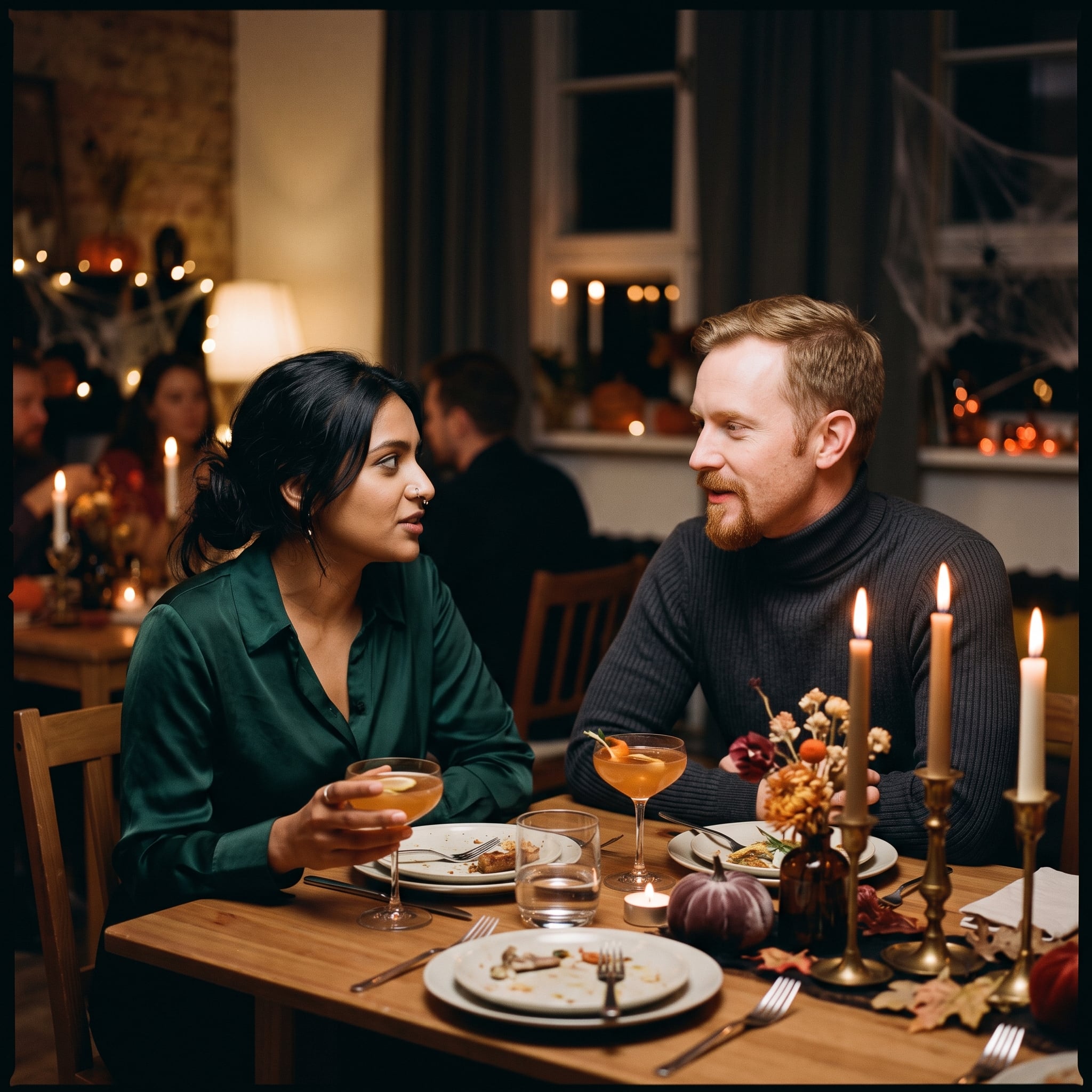
Icebreaker Games That Actually Get People Talking
Hero Introduction
The first few minutes of almost every party feel surprisingly similar.
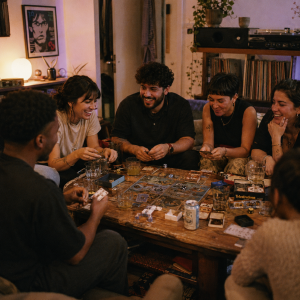
Guests arrive with drinks in hand, conversations stay within familiar circles, and everyone waits for someone else to make the first move. Even among friends, there’s often a short period where the room feels quieter than expected.
Then something changes.
Someone rolls a pair of dice. A challenge card is flipped over. One person laughs at an unexpected question, another jumps in with their own story, and suddenly the room feels completely different.
That’s why the best Icebreaker Games That Actually Get People Talking aren’t about forcing people to socialize. They’re about creating small moments that make conversation happen naturally.
Whether you’re hosting a birthday celebration, a game night, a girls’ night, or a casual weekend gathering, choosing the right activities can completely change the atmosphere from quiet and reserved to energetic and memorable.
Why Some Parties Feel Effortless
Have you ever noticed that some parties seem to flow naturally while others struggle to get started?
The difference usually isn’t the decorations, the food, or even the guest list.
It’s how quickly people begin interacting.
The most successful hosts understand that conversations become much easier once guests are doing something together. Instead of asking strangers or acquaintances to immediately find common ground, they introduce simple activities that create shared experiences from the very beginning.
That’s why icebreaker games for adults continue to be one of the easiest ways to help guests relax without making anyone feel uncomfortable.
People rarely remember the first snack they ate at a party.
They remember the funny challenge someone couldn’t complete, the unbelievable bluff that fooled everyone, or the unexpected story that turned into the highlight of the evening.
Those moments don’t happen by accident—they’re encouraged by the right game.
Start Small Before Raising the Energy
One of the biggest mistakes hosts make is beginning the night with complicated games that require long explanations.
Instead, think of the evening like a conversation.
It starts quietly before gradually building momentum.
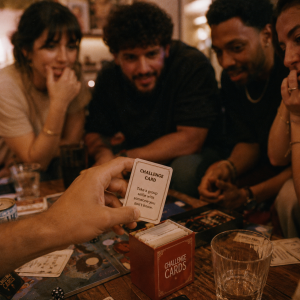
Simple party icebreaker games help guests participate immediately without feeling pressured to perform.
Good opening activities include:
- Quick dice challenges
- Conversation prompt cards
- Light guessing games
- Team introductions with unexpected questions
- Simple reaction games
The objective isn’t to entertain the room all at once.
It’s to create the first shared laugh that encourages everyone else to join in.
Once that happens, conversations begin flowing naturally throughout the evening.
The Best Icebreakers Don’t Feel Like Icebreakers
Many people hear the word “icebreaker” and imagine awkward workplace introductions or uncomfortable team-building exercises.
That’s exactly what you want to avoid.
The best interactive party games never announce themselves as icebreakers.
Instead, they simply give people a reason to react.
Rolling dice to decide who answers a funny question.
Drawing a challenge card that sparks an unexpected debate.
Making a prediction before revealing a surprising outcome.
These activities feel like entertainment rather than structured introductions, which is why guests participate more willingly.
By removing the pressure to “get to know each other,” people naturally begin doing exactly that.
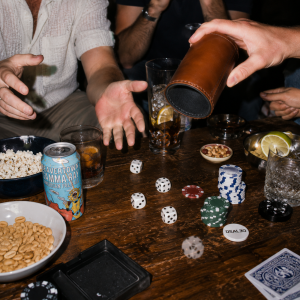
Choose Games That Create Stories
Long after the party ends, guests rarely talk about who won.
They talk about what happened.
Someone accidentally revealed a hilarious secret.
A bluff convinced the entire table.
A completely random dice roll changed everything.
These are the moments that become inside jokes for weeks afterward.
When selecting conversation starter games, look beyond the rules.
Ask yourself a different question:
“Will this game create stories people will still be talking about tomorrow?”
If the answer is yes, you’ve probably found the right activity.
Games that encourage reactions, storytelling, and playful surprises almost always leave a stronger impression than those focused only on scoring points.
Different Groups Need Different Icebreakers
Not every gathering has the same personality.
A relaxed girls’ night feels different from a birthday celebration, and both feel different from a larger house party.
Choosing activities that match your guests often leads to better conversations and more natural participation.
For smaller groups, conversation cards, bluffing games, and storytelling challenges usually create a relaxed atmosphere.
Medium-sized gatherings often benefit from dice-based games that keep everyone involved without becoming overly competitive.
Larger parties usually work best with activities that allow multiple people to participate at once, keeping the energy moving across the room instead of around a single table.
Understanding your group’s personality is often more important than choosing the most complicated game.
Continue the Conversation with Activities That Feel Natural
Once everyone has settled in, it’s tempting to introduce the biggest or most competitive game of the evening. In many cases, however, keeping things simple leads to better results.
Activities that allow guests to respond, laugh, or make quick decisions help maintain the rhythm that has already started to build. Nobody needs to become an expert or remember complicated rules. The focus should stay on interaction rather than mechanics.
For example, a dice roll might decide who answers the next question, while a challenge card introduces an unexpected task for the group. Because every round is slightly different, guests remain curious about what happens next, and conversations continue to grow without feeling forced.
The most successful party games for adults often leave room for spontaneous moments rather than trying to control every detail.
When Friendly Competition Brings Everyone Together
Not every icebreaker has to be completely cooperative.
A little friendly competition can add excitement, provided the atmosphere stays light and welcoming.
Bluffing games, prediction challenges, and simple team competitions often encourage guests to pay closer attention to one another. Players begin reading facial expressions, guessing intentions, and celebrating clever moves instead of simply trying to collect points.
This kind of interaction naturally creates conversations between rounds.
Someone will insist they “knew you were bluffing.”
Someone else will argue that luck made all the difference.
Those discussions become just as entertaining as the games themselves, which is why social games for groups continue long after the official round has ended.
Build an Evening Instead of Filling Time
One thing experienced hosts often notice is that memorable gatherings have a natural rhythm.
Rather than treating every activity as a separate game, think of the evening as a sequence of shared experiences.
A relaxed flow might look like this:
Guests Arrive
Light conversation, snacks, and drinks while everyone settles in.
First Interaction
A quick dice roll or conversation challenge encourages everyone to participate without pressure.
Main Activity
Introduce a social game that rewards observation, teamwork, or creative thinking rather than complex strategy.
Energy Peak
Bring the whole group together for a larger challenge that creates laughter and unexpected reactions.
Wind Down
Finish with open conversation, storytelling, or a final light-hearted game that lets everyone relax before the evening ends.
When the night develops naturally, guests rarely feel like they’re moving from one activity to another. Instead, the entire gathering feels like one continuous experience.
Party Experiences That Naturally Get People Talking
Different groups enjoy different styles of interaction, so choosing an experience that matches your guests can make hosting much easier.
If your friends enjoy playful conversations and relaxed social activities, the Vibe Creator Party Box offers conversation prompts, challenge cards, dice, and atmospheric lighting that encourage interaction without overwhelming new players.
Groups who enjoy reading each other’s reactions and playful deception often gravitate toward the Mind Game Social Pack, where bluffing, observation, and unexpected decisions keep everyone engaged from beginning to end.
If your guests love storytelling and dramatic twists, the Drama Night Party Kit transforms an ordinary evening into a series of unpredictable moments where every decision changes what happens next.
Rather than choosing the “best” game, think about the experience you want your guests to remember.
Host Tip
Don’t wait until everyone has arrived before introducing the first activity.
Early guests are usually the quietest because they’re waiting for the group to grow. Keeping one simple dice game or conversation challenge ready helps those first arrivals relax immediately and creates momentum before the room fills up.
Common Mistake
Many hosts prepare far more games than they’ll ever use.
Ironically, switching activities too often can interrupt conversations that are just beginning to develop. Two or three well-chosen experiences usually create a more enjoyable evening than constantly introducing something new.
What This Party Feels Like
About halfway through the evening, nobody is checking the time anymore.
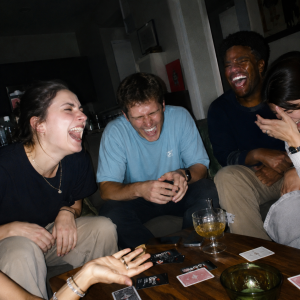
Someone is laughing because they completely misread another player’s bluff. A conversation that started with a simple challenge card has somehow turned into stories from years ago. Across the table, another group is cheering over an unexpected dice roll that nobody saw coming.
Without anyone noticing, strangers have become teammates, quiet guests have become part of every conversation, and the room feels more connected than it did when the night began.
That’s what the best Icebreaker Games That Actually Get People Talking are really designed to create.
Frequently Asked Questions
What makes an icebreaker game feel natural?
The best activities encourage people to react, share experiences, and join conversations without making anyone feel uncomfortable or put on the spot.
Are icebreaker games only useful when guests don’t know each other?
Not at all. Even close friends enjoy activities that spark new conversations, unexpected stories, and playful competition.
How many icebreaker games should I prepare?
Two or three carefully selected activities are usually enough for an entire evening. Quality interaction is often more valuable than offering a long list of games.
What’s the ideal group size for social party games?
Most interactive party games work well with groups of four to twelve people, although many can easily be adapted for larger gatherings.
Should conversation games come before competitive games?
In most cases, yes. Starting with lighter activities helps guests relax before moving into games that involve strategy, bluffing, or friendly competition.
Recommended Party Experiences
If you’re looking for activities that naturally encourage conversation, these collections are a great place to start:
Vibe Creator Party Box – Designed for relaxed gatherings where conversation, challenge cards, and light social games keep everyone engaged.
Mind Game Social Pack – A bluffing-focused experience that rewards observation, quick thinking, and playful deception.
Drama Night Party Kit – Story-driven party entertainment featuring role-based challenges, surprising twists, and memorable group moments.
Discover More Party Experiences
Continue exploring more ideas for your next gathering:
- Choose Your Party Experience
- Girls Night Party Ideas Everyone Will Love
- Best Party Games for Adults in 2026
- Casino Night Party Ideas for Adults
Call to Action
Every memorable party begins with one simple moment that gets people involved.
Whether it’s a quick dice challenge, an unexpected conversation prompt, or a game that keeps everyone guessing, the right activity can transform an ordinary gathering into an evening guests will still be talking about long after it’s over.
Explore the party experiences that match your group, choose the style that feels right, and start planning a night where conversations happen naturally.