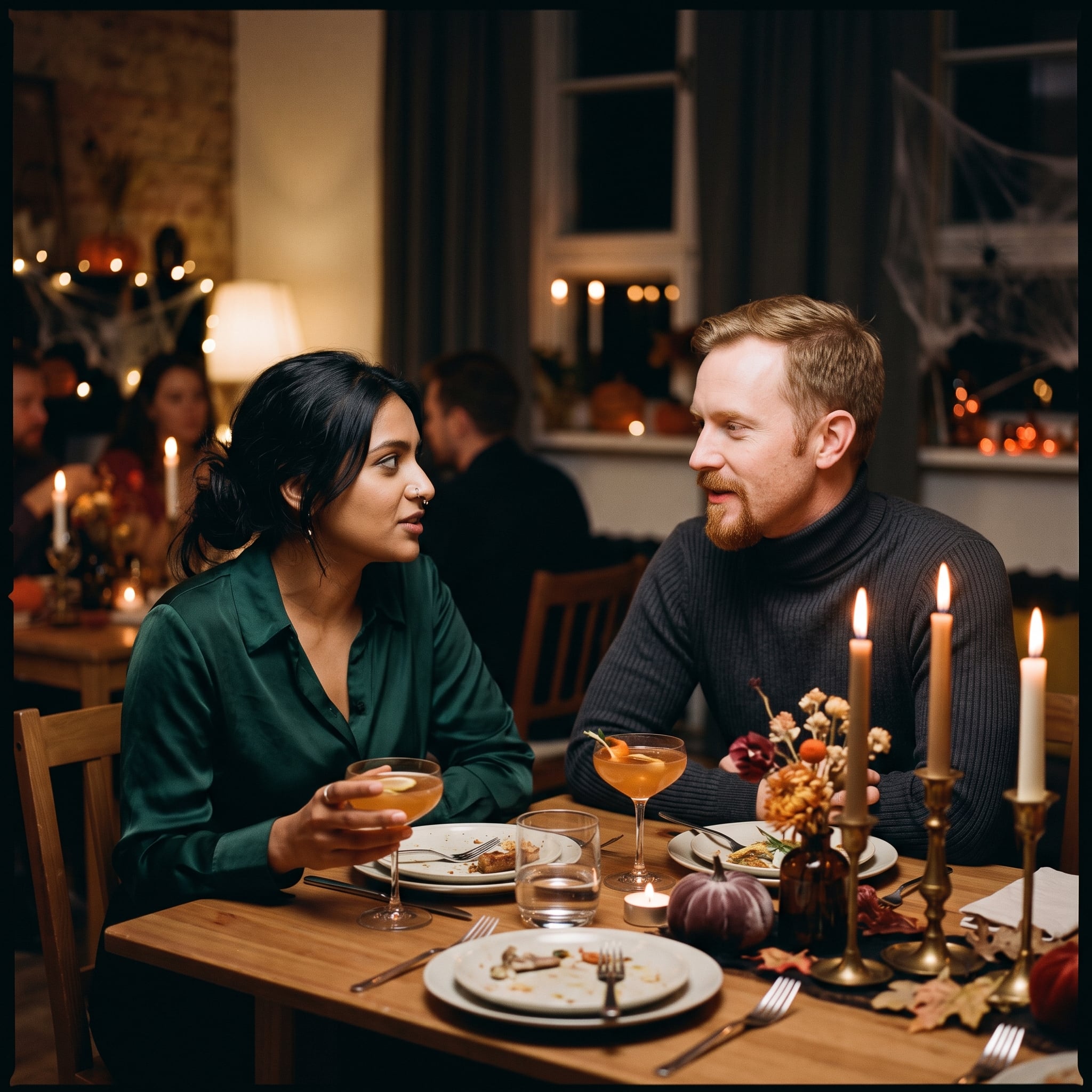
A game that works perfectly for four people may feel completely different when twenty guests are sitting around the same room.
Player count influences the overall flow of the event, from the way people interact to the amount of time each activity can hold everyone’s attention.

When planning party games for groups, hosts should look beyond popularity and focus on how a game fits the crowd in front of them. Smaller gatherings often benefit from deeper interaction, while larger celebrations usually need activities that keep the pace moving.
The best setup is not always the one with the most options. It is the collection of games that matches the way your guests actually spend time together.
Party Games for Groups Should Match Your Crowd Size
Party games for groups can create very different experiences depending on the number of players involved.
A game designed for a small circle of friends may rely on conversation and longer turns. A larger event may require faster rounds where several people can participate at the same time.
Before selecting activities, think about how the group will interact:
- Will players stay together throughout the game?
- Will guests join after the activity begins?
- Does the game require everyone to pay attention at once?
- How much explanation is needed before starting?
These details often determine whether a game feels engaging or difficult to manage.
Party Games for Small Groups Create More Personal Interaction
Party games for small groups often work best when the activity allows players to spend more time with each other.
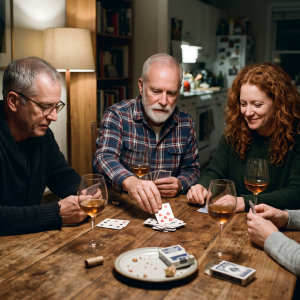
With fewer participants, there is usually more room for:
- Longer conversations
- Strategic decisions
- Personal stories
- Friendly competition
Games that depend on discussion, guessing, or decision-making can feel more rewarding because each person has a bigger role.
For example, smaller groups may enjoy activities where players take turns sharing opinions, making choices, or reacting to each other’s moves.
If you are looking for more ideas that work well for intimate gatherings, explore our guide to Party Games for Adults.
What Makes Small Group Games Work Well?
The strongest options usually have:
Simple Rules
A smaller gathering does not always mean a simpler game, but clear instructions help everyone focus on the interaction rather than remembering complicated steps.
More Player Involvement
With fewer people, each turn naturally receives more attention. Games that encourage conversation or personal choices can create stronger connections between players.
Flexible Play Time
Smaller groups often have more freedom to continue a game longer or switch activities based on the mood of the evening.
Medium Groups Need a Balance Between Participation and Speed
Medium-sized gatherings often create a unique challenge.
There are enough people for more energy and competition, but not so many that everyone can participate in every activity at the same moment.
For groups around 8–15 players, look for games that balance:
- Quick explanations
- Regular turns
- Easy player rotation
- Moderate competition
Activities with short rounds often work especially well because people can join without interrupting the flow.
A strong choice for medium groups should keep the room active while still allowing players to interact directly.
Party Games for Large Groups Need Easy Participation
Large gatherings require a different approach.
Party games for large groups usually work best when players can understand the rules quickly and participate without long waiting periods.

The biggest factors to consider are:
Fast Setup
Large events already involve many moving parts. Games that require minimal preparation are easier to introduce.
Group Participation
Activities that allow teams, simultaneous actions, or shared challenges can keep more people involved at the same time.
Simple Instructions
A game that takes several minutes to explain may lose attention before the first round begins.
For bigger celebrations, the goal is not to create the most complicated competition. It is to provide activities that guests can naturally join.
A prepared Party Game Kits collection can help hosts organize multiple options without selecting every component separately.
Group Drinking Games Work Best With Simple Rules and Clear Flow
Group drinking games are popular because they add interaction and energy to social gatherings.
However, the best formats are usually the ones that keep the activity easy to follow.
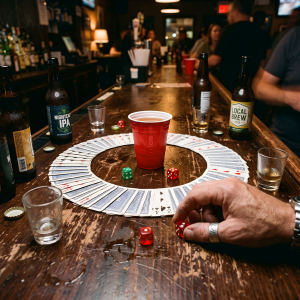
When choosing drinking-related games, consider:
- How many people can participate at once
- Whether new players can join easily
- How long each round lasts
- Whether the rules remain clear after several rounds
Fast-moving formats are often better suited for larger gatherings, while smaller groups may enjoy games with more conversation and strategy.
For more ideas, explore our guide to Best Drinking Party Games.
Creating the Right Mix of Activities for Your Party
A successful game night usually needs a balance between planned activities and open time for guests to relax, talk, and enjoy the atmosphere.
A common mistake is preparing too many options and making the evening feel more like a schedule than a social event.
Instead of filling the entire night with planned activities, consider creating a simple flow:
One Easy Opening Game
A short and approachable activity helps guests start participating without pressure.
One Main Activity
Choose a game that can become the focus of the evening and keep people engaged for a longer period.
One Backup Option
A second choice is useful when the group size changes or the energy level shifts during the event.
This approach gives hosts enough structure while leaving room for natural conversations and unexpected moments.
Featured Pick: Build a Party Game Collection That Works for Any Crowd
A well-planned collection does not need to include every type of game available.
The most useful setups usually combine activities that serve different purposes:
- Quick games for getting started
- Social games for larger groups
- More interactive options for smaller gatherings
- Themed activities for special events
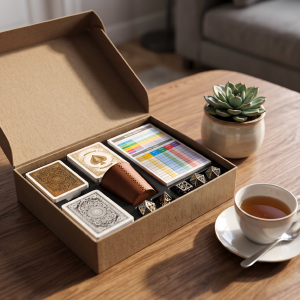
A party game bundle can be a practical starting point for hosts who want several options without purchasing every item separately.
Instead of collecting unrelated products, a coordinated bundle helps create a more organized entertainment setup that can be adjusted for different occasions.
For hosts who frequently plan gatherings, starting with a complete collection and adding individual favorites over time can create a more personalized game library.
Party Host Tip: Prepare for Changes in Group Energy
Even well-planned parties can change once guests arrive.
Some people may want a competitive challenge, while others may prefer something more relaxed.
Keep your main activity ready, but have another option available if the group wants a different pace.
A successful host does not need to control every moment. The best games simply provide a reason for people to interact.
Frequently Asked Questions
What are the best party games for large groups?
The best party games for large groups usually have simple rules, short rounds, and formats that allow multiple people to participate together. Team games, voting games, and quick challenges often work well because fewer players are left waiting.
What games work well for small groups?
The best party games for small groups often focus on conversation, strategy, or direct interaction. Smaller gatherings give players more time to make decisions and respond to each other during the game.
How many games should I prepare for a group party?
Most gatherings only need a few well-selected activities. One main game, a quick opening option, and a backup choice are often enough to keep the evening flexible.
Are drinking games suitable for large groups?
Yes, many group drinking games can work well for larger gatherings when the rules are easy to explain and participation remains simple. Games with fast rounds or team formats are usually easier to manage.
Can the same party game work for different group sizes?
Some games can adapt to different numbers of players, especially those with flexible team formats or adjustable rules. However, certain activities naturally perform better with either smaller or larger groups.
Final Thoughts
Choosing party games for groups is not only about finding activities that match a certain number of players.
The way people interact, the pace of the gathering, and the amount of preparation involved all influence whether a game feels enjoyable.
Smaller groups often benefit from activities with more conversation and direct interaction. Larger celebrations usually need faster formats that allow guests to participate without waiting too long.
A thoughtful collection can include both styles, giving hosts the freedom to adjust based on the occasion.
Whether you prefer a carefully built selection or a ready-to-use Party Game Kits setup, the goal is the same: create activities that fit naturally into the way your group enjoys spending time together.