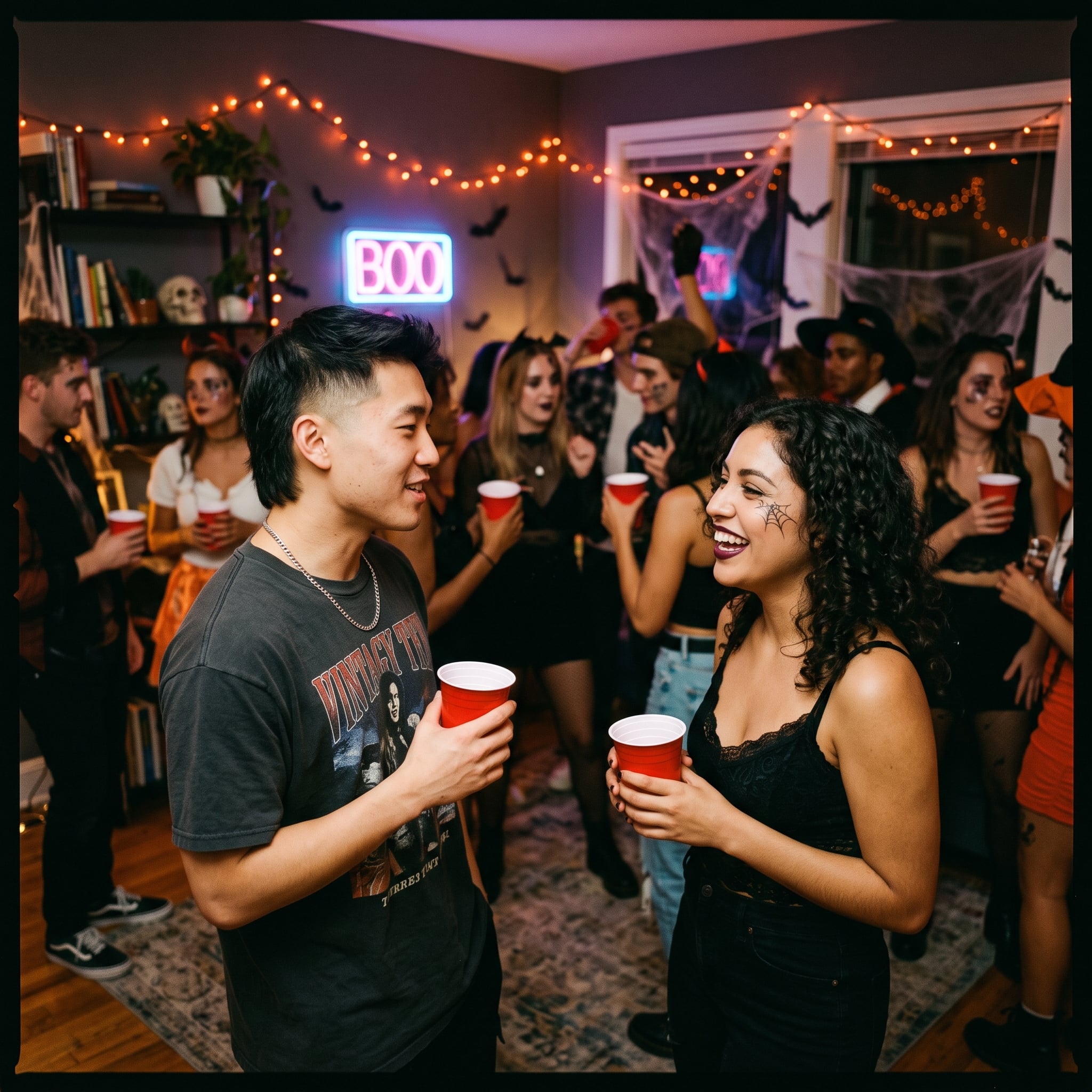
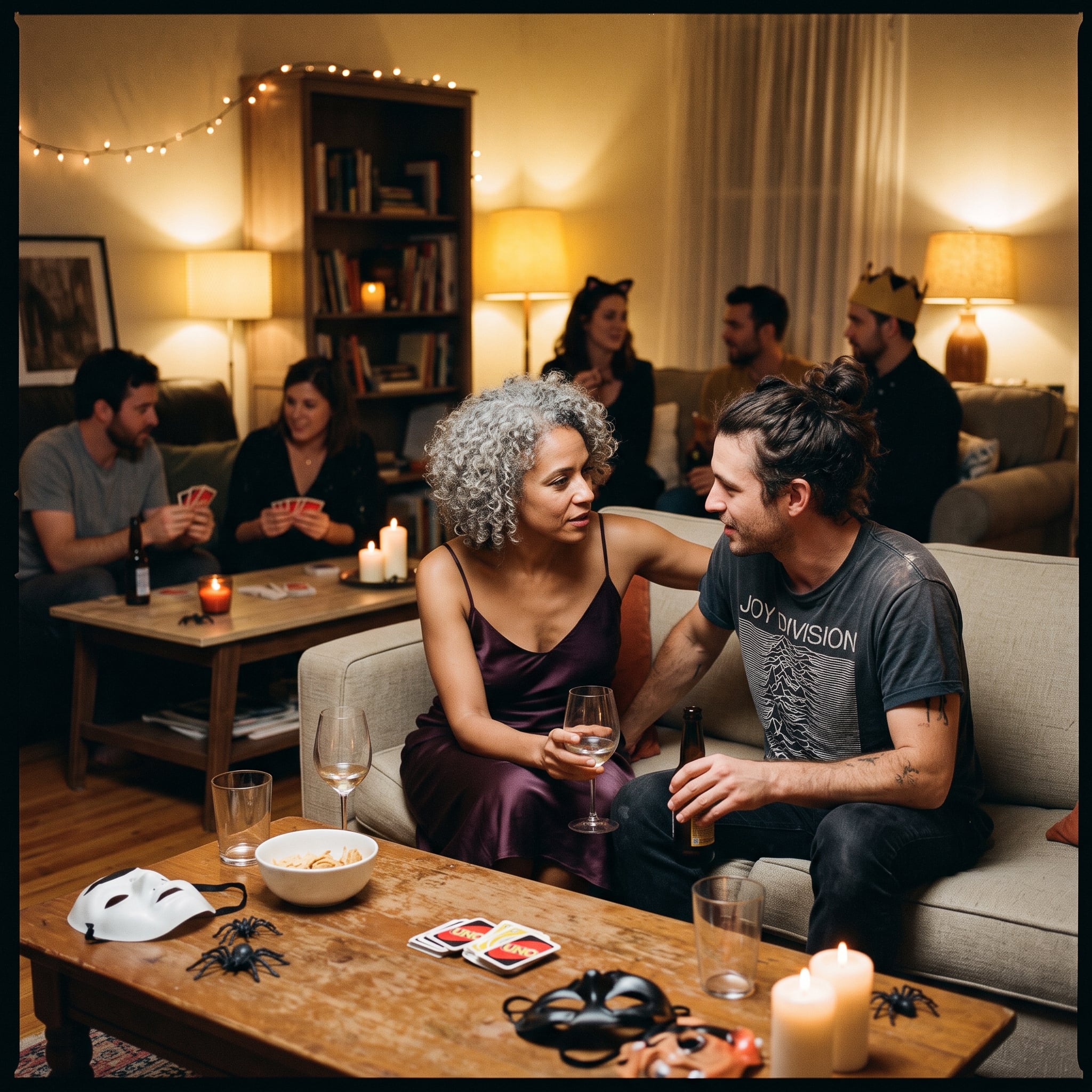
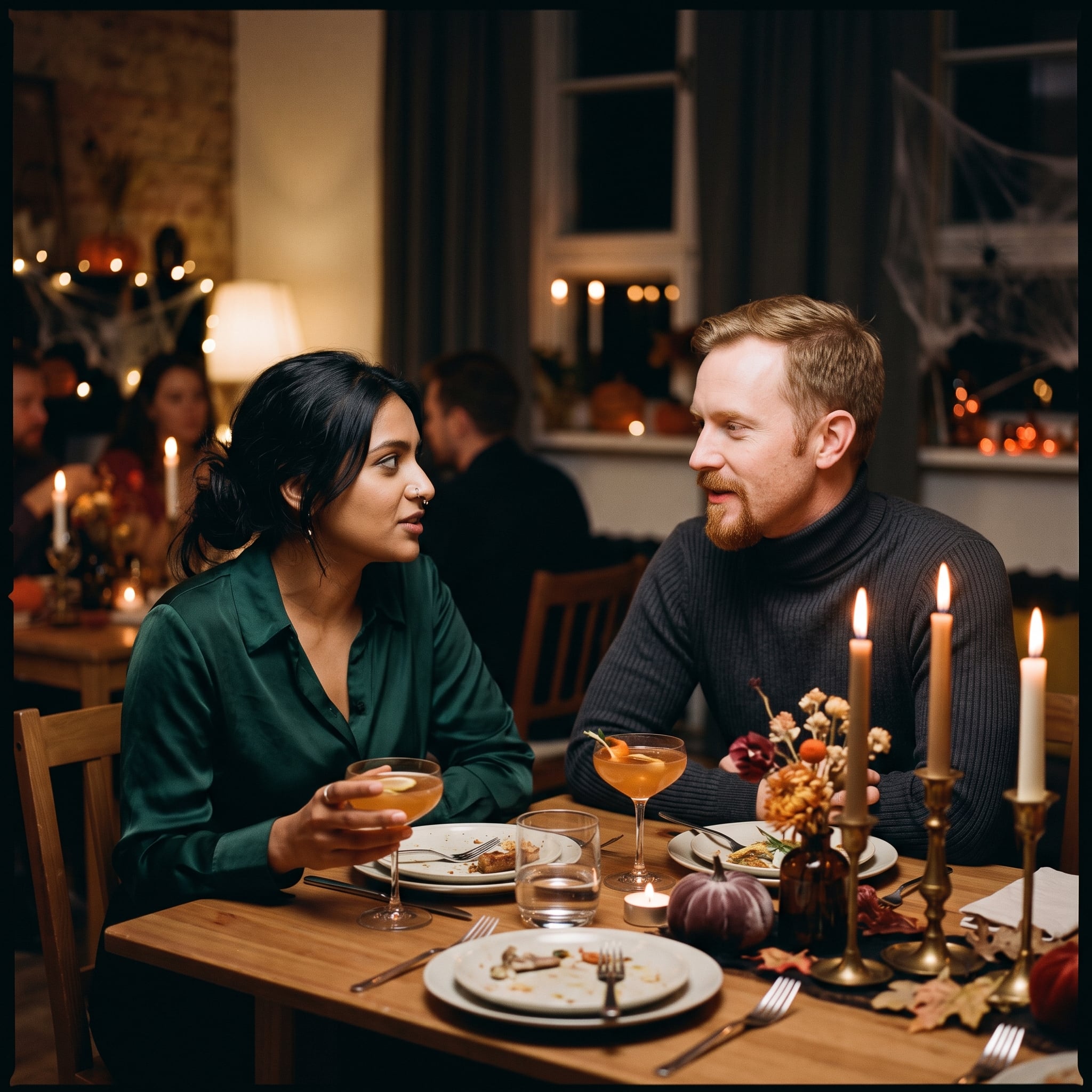
Planning a Halloween party becomes much easier when the major decisions are made in the right order. Instead of trying to organize decorations, food, games, music, and activities at the same time, start with the kind of evening you want to create and build from there.
If you are wondering how to plan a Halloween party, a simple timeline can turn a long list of decisions into a manageable process. About a month before the event, focus on the overall direction and guest list. During the final week, move into preparation and confirmation. On the day itself, bring those decisions together and leave yourself enough time to enjoy the celebration.
How to Plan a Halloween Party Around the Guest Experience
Before buying supplies or choosing individual activities, think about how you want guests to feel when they arrive.
Your Halloween party might be:
- A relaxed night with close friends
- A costume-focused celebration
- A lively game night
- A spooky themed gathering
- A casual evening with drinks, food, and music
This first decision gives your Halloween party planning a clear direction.
For example, a costume-focused party may benefit from a photo area and costume contest, while a game-heavy gathering may need a larger table and more defined activity space.
You do not have to decide every detail yet. Start by establishing the experience, then let the practical decisions follow.

One Month Before: Build the Foundation
About four weeks before the event, focus on the decisions that will influence everything else.
This is the foundation of how to plan a Halloween party because your guest count, location, theme, and main activities will affect the rest of your preparation.
Set the Date and Guest List
Start with:
- Party date and time
- Approximate guest count
- Indoor or outdoor location
- Adult-only or mixed-age gathering
- Casual or more structured atmosphere
The number of guests will influence food quantities, seating, activities, and available space.
Choose the Main Theme
Pick one central direction for the evening.
Possible options include:
- Haunted house
- Halloween casino night
- Horror movie night
- Costume party
- Mystery night
A focused theme makes later decisions easier because decorations, music, activities, and food can follow the same visual and social direction.
If you are still comparing different styles, our guide to Halloween party themes can help you narrow down the atmosphere before moving deeper into the planning process.
Decide on the Main Activities
Think in terms of major experiences rather than a long list of individual games.
For example:
Main Activity: Halloween party games
Secondary Activity: Costume contest
Optional Activity: Photo booth
This creates a basic framework without turning the evening into a rigid schedule.
Four Weeks Before: Plan the Space and Supplies
Once you know what kind of celebration you are creating, consider how the space will support it.
Think about where guests will:
- Enter
- Get drinks
- Eat
- Play games
- Take photos
- Sit and talk
- Put coats or bags
A useful part of how to plan a Halloween party is deciding how these areas connect before you start buying decorations.
Build a Practical Supply List
Your list might include:
- Decorations
- Lighting
- Tableware
- Drinks
- Food
- Party games
- Activity supplies
- Costume accessories
- Small prizes
Separate the essentials from optional additions.
This gives you room to adjust the budget without affecting the basic guest experience.
Give Important Areas a Clear Focus
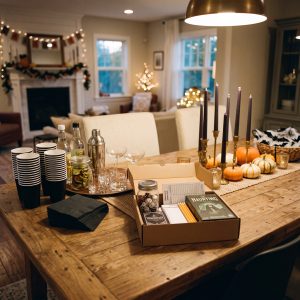
Start with the spaces guests will notice first, such as the entryway, game table, drink station, and photo area.
A few well-planned focal points can make the room feel intentional without turning setup into a much larger project.
One Week Before: Confirm the Details
One week before the party, Halloween party planning should shift from exploring ideas to confirming what is actually ready.
By this point, the main decisions should already be settled.
Confirm Your Guest Count
Check RSVPs and adjust:
- Food quantities
- Drinks
- Seating
- Games
- Activity supplies
The final guest count can affect everything from table space to how many people can comfortably join a game.
Finalize Your Activities
Now decide which activities will actually be available.
If you are including games, check that all required pieces are ready.
For example, a Dice Party Kit can keep a dice-based activity organized without requiring you to gather individual components at the last minute.
If drinking games are part of the evening, prepare those separately so the game area is easy to understand.
For more options, explore our guides to Halloween party games for adults, Halloween drinking games, and Halloween dice games.

One Week Before: Prepare the Party Atmosphere
This is also the point to finalize the visual details.
Check:
- Decorations
- Lighting
- Music
- Table setup
- Photo area
- Activity stations
You can also prepare anything that will make the party easier to manage later, such as signs, labels, voting materials, prizes, or game instructions.
A little preparation here means fewer decisions when guests are already in the room.
Three to Five Days Before: Get the Small Details Ready
The final few days are ideal for handling tasks that can be completed ahead of time.
You can:
- Organize decorations
- Check games
- Prepare party favors
- Organize serving items
- Confirm music
- Prepare signs or labels
- Set aside prizes
- Group activity supplies together
If you are planning a costume contest or mystery challenge, make sure the materials are ready and easy to access.
The more clearly everything is organized before the event, the less time you will spend searching for things during the party.
Party Day: Set Up in the Right Order
On the day of the event, how to plan a Halloween party becomes much more practical. The main decisions should already be finished, so your attention can move toward putting the environment together.
Start With the Room Layout
Begin with furniture and larger items.
Create clear areas for:
- Seating
- Food
- Drinks
- Games
- Activities
- Photos
Once the basic layout is in place, smaller decorations become much easier to add.
Set Up the Activity Areas
Next, prepare the areas guests will actively use.
Place:
- Games
- Dice
- Cards
- Activity supplies
- Costume voting materials
- Photo props
Give each category a clear place so guests can understand what is available without asking the host.

A Few Hours Before: Finish the Final Checks
At this point, the main setup should be complete.
Walk through the space and check:
- Lighting
- Music
- Drinks
- Food
- Bathroom supplies
- Trash bags
- Guest seating
- Activity stations
One useful part of Halloween party preparation is looking at the room from a guest’s perspective.
Can someone walk in, get a drink, see where the activities are, and find a comfortable place to talk?
If those basic needs are clear, the room is ready for the evening.

When Guests Arrive: Give Them Time to Settle In
A strong Halloween party timeline does not have to begin with the first planned game.
Let guests arrive, get a drink, look around, take photos, and reconnect with friends.
Low-pressure Halloween party activities can work particularly well during this opening period:
- Costume photos
- Exploring the decorations
- Getting a drink
- Meeting other guests
- Checking out the game table
Once most people have arrived, you can introduce the main activity.
During the Party: Follow the Energy of the Room
Knowing how to plan a Halloween party does not mean predicting exactly what guests will do.
The plan should provide structure while leaving room for the evening to develop naturally.
You might move from:
Conversation → Game → Drinks → Photo Booth → Food → Another Activity
The order can change depending on the group.
If everyone is deeply involved in a conversation, let that moment continue. If the energy starts to slow down, introduce something that brings people together.
That flexibility can make the party feel much more natural than following a strict timetable.
Keep the Host Out of Every Task
One of the most useful principles in Halloween party planning is preparing the environment so the host does not have to manage every small interaction.
Make drinks easy to find.
Keep games visible.
Give activities their own areas.
Put photo props somewhere guests can reach them.
When the setup communicates what is available, you can spend more time talking with friends and less time explaining where everything is.

After the Party: Make Cleanup Easier
A little advance preparation can make the final stage much simpler.
Keep:
- Trash bags accessible
- Food containers ready
- Reusable items separated
- Decorations grouped together
- Game components collected in one place
Focus first on food, drinks, and anything that needs immediate attention.
The remaining cleanup can wait until the next day.
A Simple Halloween Party Planning Timeline
Use this Halloween party checklist as a quick reference:
| When | Main Focus | Key Tasks |
| 1 Month Before | Foundation | Date, guest list, theme, main activities |
| 3–4 Weeks Before | Party Design | Space, supplies, food, games, decorations |
| 1 Week Before | Confirmation | Guest count, activities, shopping, setup plan |
| 3–5 Days Before | Preparation | Organize supplies, games, decorations, music |
| Party Day | Execution | Room setup, activity stations, food, drinks |
| Before Guests Arrive | Final Check | Lighting, music, supplies, bathroom, seating |
| During the Party | Experience | Follow guest energy and adjust activities |
| Afterward | Reset | Food, trash, reusable items, decorations |
Final Thoughts
Ultimately, how to plan a Halloween party comes down to putting the major decisions in the right order.
Start with the experience, build the activities around your guests, prepare the practical details early, and leave enough flexibility for the evening itself.
A good Halloween party planning process should make hosting easier, not leave you spending the entire night checking a list.
If you are still building the overall concept, start with our guide to Halloween party ideas for adults, then use the activities, games, and planning steps to turn that idea into a complete celebration.