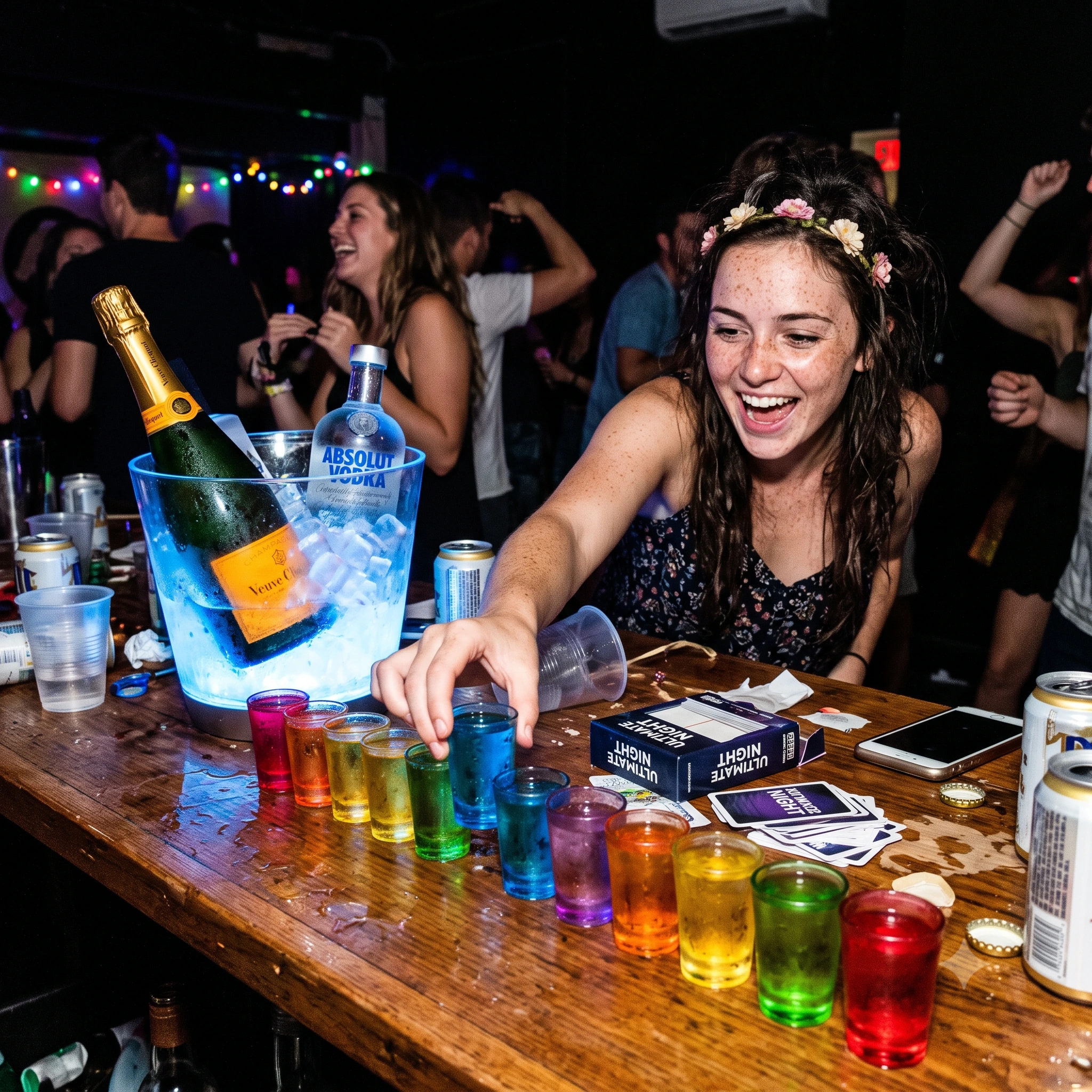
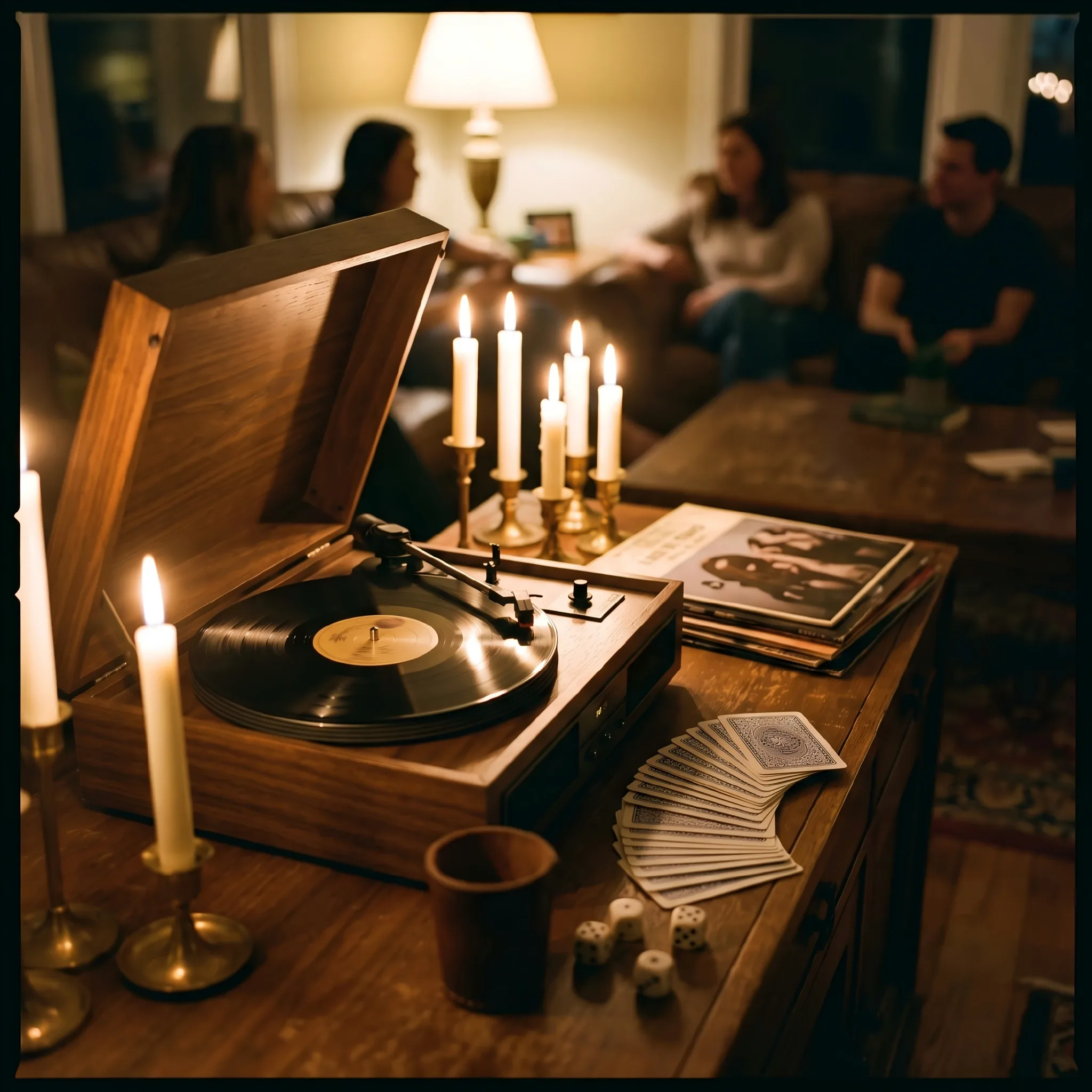
A dramatic vampire look might steal attention at a costume party but feel out of place at a relaxed dinner with friends. A detailed zombie design can look impressive in daylight yet disappear beneath purple lighting at a crowded Halloween event.
The difference is not necessarily the makeup itself. It is the setting around it.
Choosing Halloween makeup for different party settings means thinking about more than the character you want to portray. Where will you spend the evening? Will you be sitting around a table, dancing, taking photographs, or moving between indoor and outdoor spaces?

Those details can influence everything from color choices to how much makeup you actually need.
Instead of building the most elaborate look possible, start with the kind of evening you want to enjoy.
Halloween Makeup for Different Party Settings: Let the Venue Shape Your Halloween Look
Picture three invitations arriving in the same week.
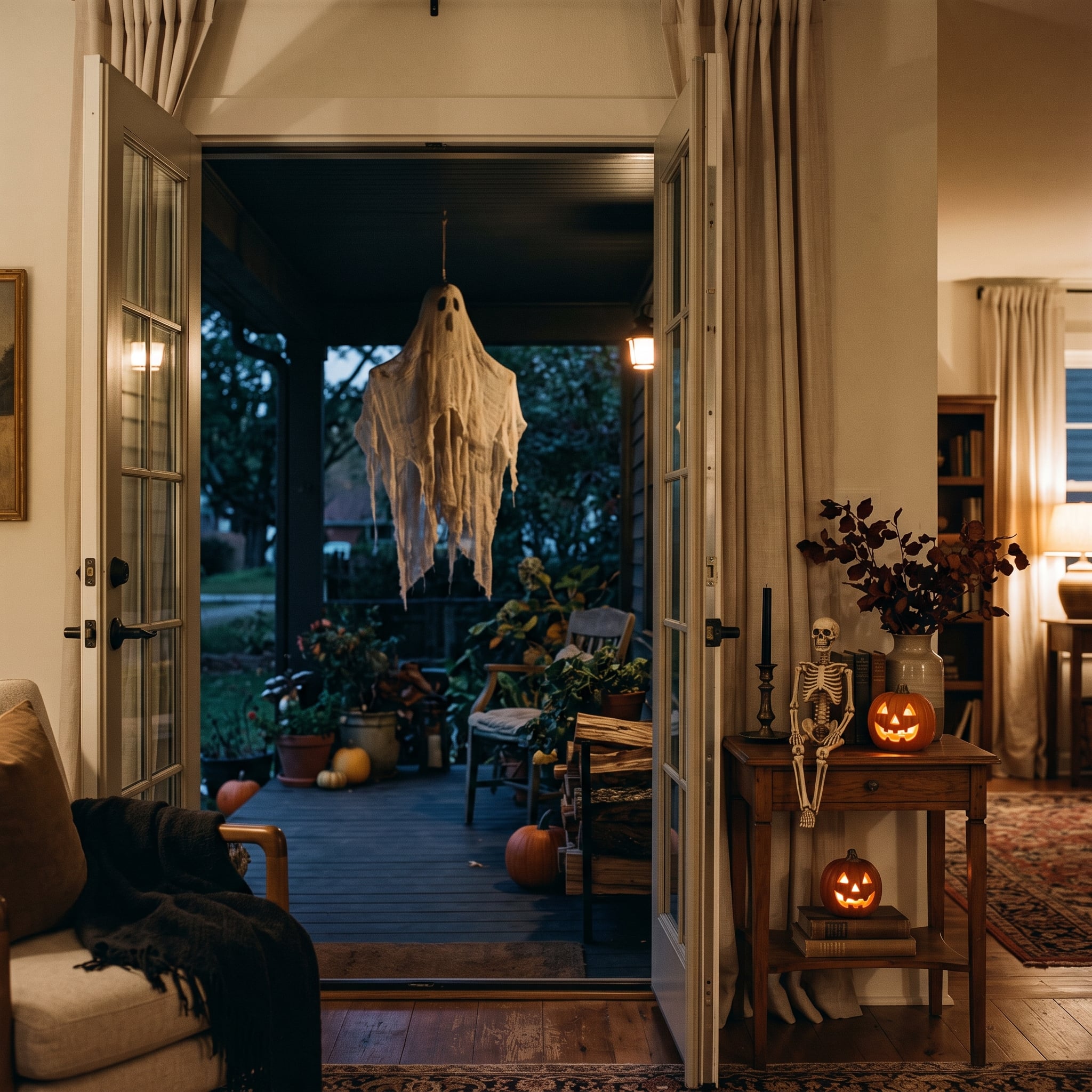
One is for a candlelit dinner with six friends. Another is for a crowded costume party with music and colored lights. The third is for an outdoor Halloween gathering that begins before sunset.
Wearing the same makeup to all three events might work, but each environment presents different considerations.
During a Halloween dinner, subtle makeup details become more noticeable as guests gather around the table. Small details matter, while heavy coverage around the mouth may become inconvenient.
At a larger costume event, guests often recognize characters from several feet away. Strong shapes and clear contrasts tend to communicate more effectively than intricate details.
Daylight brings out subtle details in Halloween makeup, sometimes changing how a look appears compared with an indoor party setting. Weather, temperature, and costume accessories may also influence comfort.
The most useful approach to Halloween makeup for different party settings is to identify what your face needs to communicate in that particular environment.
A recognizable character does not always require full-face coverage.
A Halloween Dinner Look That Feels Effortless
A Halloween dinner is an unusually demanding setting for elaborate face makeup.
You will be talking, smiling, eating, and sitting close enough for friends to notice small details. A design that depends on a painted mouth or thick layers around the chin may require more attention than you want to give it.
For this type of gathering, consider concentrating the character around the upper face.
A vampire-inspired look could use defined eyebrows, cool-toned shadows, and a carefully selected lip color. A witch might be recognizable through angular eye makeup paired with a dark outfit. A ghost-inspired character could rely on subtle pale accents rather than an entirely white face.
The goal is to preserve your expression while making the character identifiable.
If your outfit already includes a dramatic collar, cape, or wig, you may need even less makeup.
This is where Halloween makeup for different party settings becomes a question of balance. The costume supplies part of the visual story, allowing the makeup to remain comfortable during dinner.
Costume Parties: Let One Feature Define the Character
At a lively costume party, the most successful makeup is not always the most complicated.
Imagine walking into a room filled with witches, vampires, skeletons, and fantasy characters. People are moving, music is playing, and conversations happen in brief moments.
Your character needs a visual signature.
For a skeleton, that might be sharply defined cheekbones. For a vampire, an exaggerated brow or striking eye contrast. For a theatrical witch, one unexpected color placed against an otherwise restrained design.
Choose a feature that remains visible when someone sees you from across the room.
Then let your clothing reinforce it.
A black cape can make pale facial accents more noticeable. A brightly colored wig may already create enough contrast that additional face paint becomes unnecessary.
When selecting Halloween makeup for different party settings, think of the face, clothing, and accessories as a single composition rather than three separate projects.
The strongest feature should attract attention first. Everything else can support it.
Halloween Makeup for Different Party Settings: Lighting Changes Everything
Lighting can change how a character appears without changing a single detail of the makeup.
Under warm indoor lamps, subtle browns and muted reds may appear softer. Under saturated purple or blue LEDs, some colors can lose definition or take on unexpected tones.
A design that looks dramatic beside a bathroom mirror may become difficult to recognize in a dimly lit room.
Before committing to a look, consider the lighting at your destination.
For a Halloween casino night, guests may spend much of the evening around illuminated tables. For a Halloween casino night, bold makeup accents can help define a character as guests gather around the gaming tables. For a house party with colored decorative lighting, a strong light-and-dark contrast may be more useful than several closely related shades.
For an outdoor event beginning at sunset, a look that works in both natural and artificial light offers more flexibility.
A useful way to evaluate Halloween makeup for different party settings is to take two test photographs: one in ordinary room lighting and another in lighting similar to the event.
Compare what remains visible. If the defining feature disappears, adjust that feature rather than adding more makeup everywhere.
Game Nights: Makeup That Works While You Play
A Halloween game night creates a different kind of social interaction.
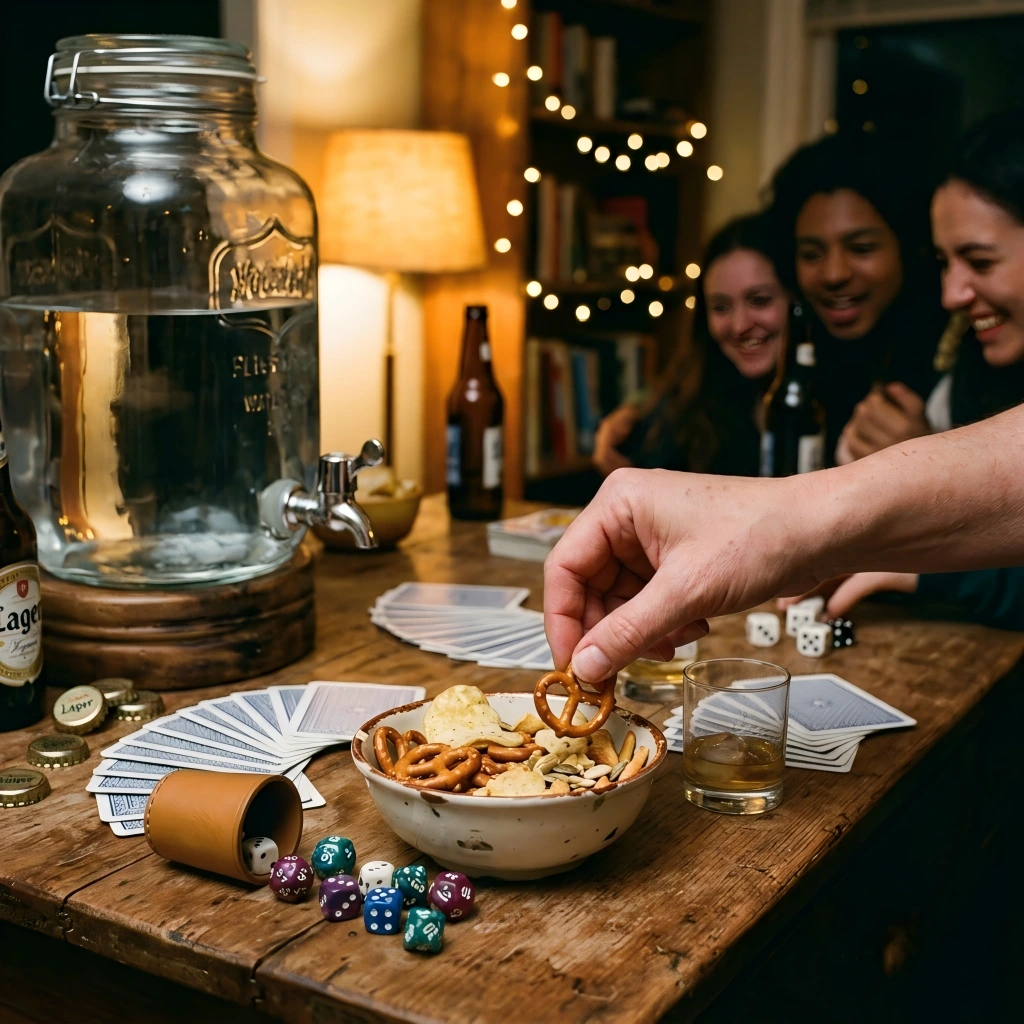
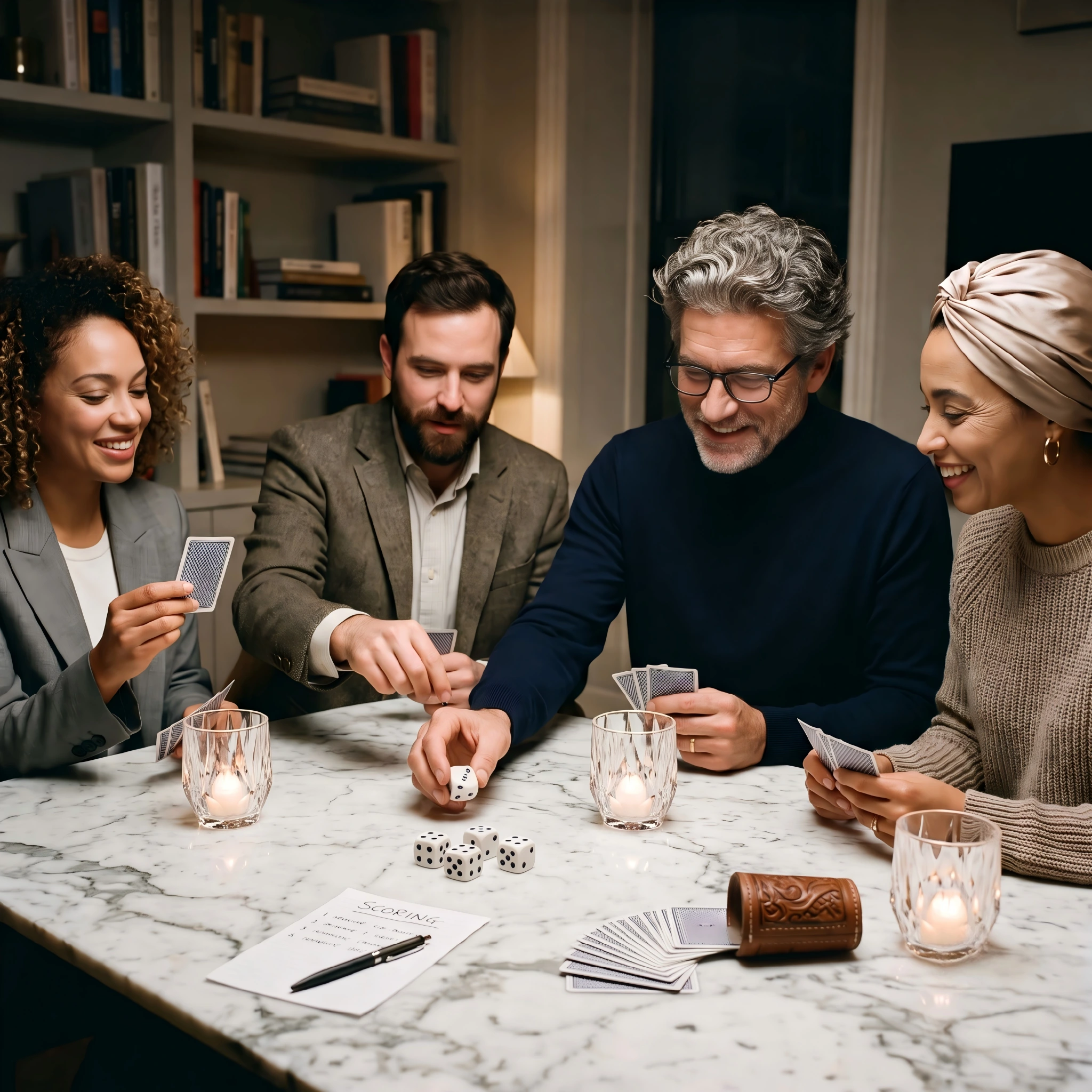
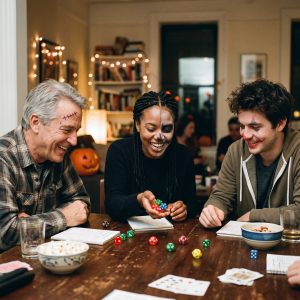
People lean over cards, roll dice, reach for drinks, and react to what happens around the table. Guests may spend more time looking at one another from close range than posing for photographs.
That makes facial expression particularly important.
Consider a skull design with pronounced cheekbone shadows but minimal coverage around the mouth. It can remain recognizable while leaving your smile visible.
A vampire look could rely on eye-area styling and costume accessories instead of extensive facial paint. A witch-inspired character might use a dramatic color accent that does not require frequent adjustment.
The right Halloween makeup for different party settings should support the activities rather than interrupt them.
f your gathering includes cards, dice, or themed challenges, consider how your makeup will look while guests interact around the table. Our Halloween Game Night Ideas guide explores ways to organize these activities, while Halloween Casino Party offers inspiration for a more theatrical evening with poker, roulette, and coordinated costumes.
For a skull-inspired character, the Halloween Black and White Face & Body Paint provides two contrasting colors for building recognizable facial details. Keep the design focused on the features guests will notice during conversation rather than covering every visible area.
Outdoor Halloween Events: Plan for Weather and Movement
Outdoor Halloween gatherings can involve changing temperatures, wind, moisture, and longer periods of movement.
A look designed for a warm indoor room may feel different after an hour outside.
Start by considering the practical details of your outfit.
Will you wear a hood or scarf? Does your costume include a hat that touches your forehead? Will you need a jacket later in the evening?
These accessories can influence where you place makeup.
If a scarf frequently touches your jaw, consider keeping that area relatively clear. If a hat covers much of your forehead, concentrate the design on features that remain visible.
Choose cosmetic products appropriate for the intended skin area and follow their instructions regarding application, setting, and removal. Do not assume a formula is weather-resistant unless its manufacturer specifically makes that claim.
Planning Halloween makeup for different party settings also means accepting that outdoor conditions are less predictable.
A simpler design with a few recognizable features may be more practical than one that requires constant correction.
Choosing Between Face Paint, SFX Makeup, and Temporary Tattoos
Different makeup formats can create very different effects, even when they are used for the same Halloween character. The right choice depends on the visual result you want, how much detail you need, and where the makeup will be worn.
Face Paint for Graphic Characters
A skeleton or ghost-inspired design often relies on recognizable light-and-dark shapes rather than elaborate textures. The Halloween Black and White Face & Body Paint offers a focused two-color option for these high-contrast looks.
For a costume party with colored lighting, test the design under similar conditions before the event. The goal is to make the character recognizable without adding details that disappear from a distance.
SFX Makeup for More Expressive Characters
For a witch, zombie, or theatrical horror character, controlled shading can create a stronger impression than uniform face coverage.
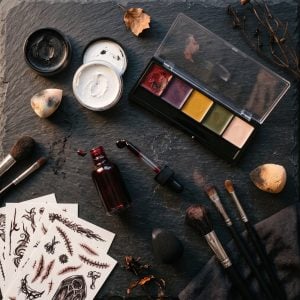
The 6-Color Oil Face Paint SFX Palette offers multiple colors for combining highlights, shadows, and character accents. If your design calls for simulated wounds or blood effects, the Body Paint Cream and Fake Blood Face Paint Kit provides another option.
Use cosmetic products only as directed and check which areas of the face and body are approved for application.
Temporary Tattoos for Defined Details
Not every character requires extensive face painting. A scar or vein pattern can provide a distinctive visual detail while leaving much of the natural complexion visible.
Explore the Halloween Temporary Tattoos Collection for scar, wound, and vein-inspired designs that can complement a costume.
When comparing Halloween makeup for different party settings, consider which product contributes the most to your character and which details are better left to clothing or accessories.
Build a Look Around Your Costume, Not the Other Way Around
Costume and makeup decisions are often made separately.
Someone buys a vampire cape, then searches for an elaborate makeup design. Another person chooses a witch hat before deciding whether the character needs face paint at all.
A more coordinated approach starts with the strongest part of the outfit.
If your costume already has a distinctive silhouette, makeup can provide contrast rather than compete for attention.
A gothic cape might need only a few pale facial accents, while a brightly colored wig may already create enough contrast to define the character. Rather than treating every accessory as an opportunity to add more detail, decide which element should attract attention first.
For inspiration on coordinating outfits with the occasion, explore our Halloween Party Costume Ideas guide. You can then browse the Halloween Costume Collection to find clothing and accessories that complement your makeup choices.
This approach to Halloween makeup for different party settings keeps the character recognizable without requiring every element to compete for attention.
A Five-Minute Decision Before You Leave
Before heading out, look at your complete costume rather than your face alone.
Stand a few feet from the mirror. Can you recognize the character without examining the smallest details?
Put on your hat, wig, cape, or jacket. Check whether any accessories rub against painted areas.
Consider the first activity of the evening. If dinner comes before dancing, will your makeup still feel practical at the table?
Take a photograph under the lighting you expect to encounter. Look for the one feature that makes the character identifiable.
Finally, make sure you have the appropriate products for removing your makeup afterward. Follow the manufacturer’s directions, and avoid using cosmetics on irritated skin or in areas where they are not approved.
These checks help turn Halloween makeup for different party settings from an abstract styling idea into a practical decision.
Frequently Asked Questions
What Halloween makeup works best for a small house party?
A design that remains expressive at close range is often a sensible choice. Focus on a few distinctive features rather than assuming full-face coverage is necessary.
Should Halloween makeup match the costume exactly?
Not necessarily. Complementary colors and recognizable character details can be more effective than matching every accessory.
Is face paint better than temporary tattoos for Halloween?
Neither is universally better. Face paint offers flexibility for broad shapes and blending, while temporary tattoos can provide defined details. Product suitability and skin compatibility matter in both cases.
What makeup works for a Halloween casino party?
Consider the lighting, costume theme, and amount of time spent around game tables. Strong but restrained character details can work well when guests are interacting face-to-face.
Can the same makeup work for indoor and outdoor events?
It may, but weather, friction, and lighting can affect the result. Choose products according to their labeled uses and test the complete costume beforehand.
Make the Character Part of the Experience
A Halloween look does not need to dominate the evening to make an impression.
The vampire who can enjoy dinner without constant touch-ups, the witch whose expression remains visible during a card game, and the skeleton whose makeup reads clearly in photographs all have something in common: their styling suits the occasion.
That is the value of Halloween makeup for different party settings. It shifts the focus from creating the most elaborate design to choosing details that belong naturally in the experience.
When your costume, makeup, and surroundings work together, you can spend less time thinking about the mirror and more time enjoying the night.