Planning a social gathering often comes with the pressure of ensuring everyone has a good time. Whether you are hosting a small get-together or a large event, the energy of the room dictates the success of the night. This is where interactive party games become essential. They catalyze conversation, laughter, and connection, transforming a quiet room into a vibrant celebration. By incorporating structured play, you remove the awkwardness of socializing and replace it with shared experiences.

Why Interactive Party Games Are a Must-Have
The primary goal of any host is to foster an environment where guests feel comfortable and engaged. Interactive party games achieve this by breaking down social barriers. Unlike passive entertainment, these games require participation, ensuring that no one is left standing alone in the corner. They are designed to stimulate social interaction, making them perfect for mixing different social circles. When people play together, they bond faster, creating memories that last long after the event ends.
Top Benefits of Gaming at Gatherings
Interactive party games act as a powerful social catalyst, transforming the dynamic of any gathering. Here is why structured play is essential for your next event.
1. Enhances Atmosphere
These party games instantly shift the mood from awkward silence to vibrant energy. Unlike passive entertainment, these games require active participation, creating a collective experience that keeps the atmosphere lively and engaging throughout the night.
2. Encourages Socializing
These party games encourage socializing by providing a fun, low-stakes environment. They act as built-in conversation starters that eliminate the pressure of small talk, helping guests break the ice and form genuine connections organically.
3. Versatility for Every Demographic
Modern interactive party games are highly adaptable to diverse guest lists. Whether you are hosting friends, family, or colleagues, you can easily adjust the rules and complexity to suit your audience, ensuring everyone feels comfortable and included.
4. Creates Lasting Memories
Beyond the immediate fun, party games help create memorable shared experiences. The hilarious moments and unexpected twists that occur during gameplay often become the stories guests talk about long after the party ends, making your event truly unforgettable.
Types of Games to Elevate Your Event
When selecting entertainment, variety is key. Different groups respond to different stimuli. Here is how you can categorize these party games to suit your specific crowd.
Fast-Paced Action for High Energy
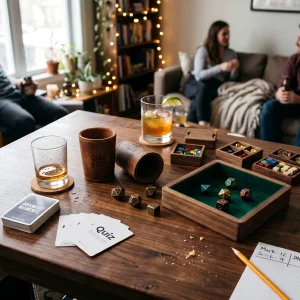
For groups that thrive on adrenaline and quick thinking, fast-paced options are ideal. These games often involve physical elements or rapid decision-making. A popular choice involves using dice and shot glasses to determine actions. The unpredictability of the dice roll adds a layer of suspense that keeps everyone on the edge of their seats. These interactive party games are excellent for keeping the energy levels high throughout the night.
- Dice Mechanics: Simple yet effective, rolling dice creates instant outcomes.
- Visual Effects: Games involving LED cups or light-up accessories add a visual spectacle.
- Team Dynamics: Dividing guests into teams fosters a sense of camaraderie and competition.

Strategic Challenges for Thinkers
Not every gathering needs to be chaotic. Some groups prefer a more cerebral approach. Strategy-based interactive party games allow guests to engage their minds while still enjoying the social aspect. These might involve card drawing or specific rule sets that require memory and wit. They are particularly effective for smaller groups or dinner parties where conversation is the main focus, but a little structure is needed to keep things interesting.

Setting the Scene: Atmosphere and Accessories
The physical environment plays a massive role in how interactive party games are received. A well-lit, aesthetically pleasing setup can make a simple game feel like a premium event.
- Lighting and Decor: Lighting sets the mood. Dimming the main lights and using accent lighting, such as LED ice buckets or light-up drinkware, creates a focal point. When the game pieces themselves glow, it draws attention to the center of the table, naturally gathering guests together. This visual cohesion is a subtle but powerful tool in party planning.
- Quality Accessories: The tactile experience matters. Using high-quality dice cups, sturdy glassware, and organized trays elevates the perceived value of the game. It signals to guests that this is a planned activity, not an afterthought.

Choosing the Right Game for Your Occasion
Selecting the correct interactive party games depends heavily on the nature of your event. Here is a quick guide to help you decide.
| Occasion | Recommended Game Style | Goal |
| House Party | Fast-paced, Dice-based | High energy, breaking the ice |
| Corporate Event | Strategy, Team-based | Networking, team building |
| Family Gathering | Simple rules, Inclusive | Bonding across generations |
| Date Night | Two-player, conversational | Intimacy, fun |
Tips for the Host
Being the host of interactive party games requires a bit of facilitation. You don’t need to be a game show host, but a little guidance goes a long way.
- Explain Clearly: Take two minutes to explain the rules before starting. Confusion kills the vibe.
- Participate: Don’t just watch. Join in the fun to show guests it’s safe to let loose.
- Know When to Stop: If a game drags on, be ready to pivot to a new activity.
Conclusion
Ultimately, the success of a party lies in the connections made between guests. Interactive party games are the bridge that connects strangers and deepens the bonds between friends. By choosing the right mix of fast-paced action and strategic challenges, and setting the scene with the right atmosphere, you guarantee a night to remember. So, next time you plan an event, put down the playlist for a moment and pick up a game set. Your guests will thank you for it.