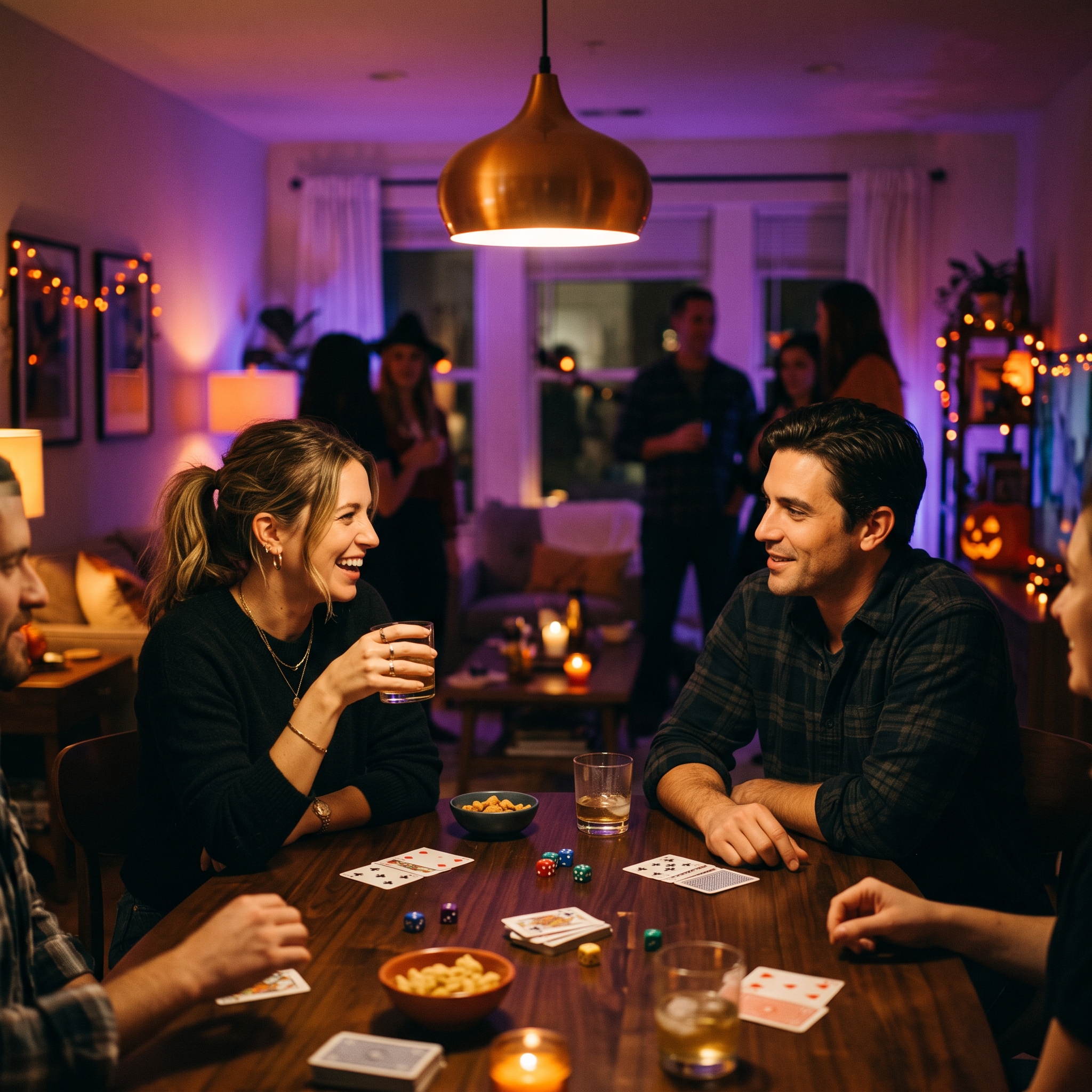
Hosting a successful gathering is about more than food and music. The right house party games can transform an ordinary evening into a memorable experience filled with laughter, interaction, and friendly competition. As social gatherings continue to grow in popularity, more hosts are looking for creative ways to keep guests engaged. Whether you’re planning a birthday celebration, holiday gathering, or casual weekend event, choosing the right activities can make all the difference. In 2026, trends in social entertainment are shifting toward interactive experiences that encourage participation. This is why party games for house parties remain among the most searched topics for event organizers and party hosts.
Why House Party Games Are More Popular Than Ever
People enjoy gatherings because they seek social connection, unwind, and experience pure joy. However, guests often come from different social circles and may not know each other well. This is why games for a home party have become an essential part of modern social gatherings.
Some of the key reasons for their growing popularity include:
- Break the Ice Naturally: Party games help guests start conversations and interact with people they may not know, creating a more comfortable atmosphere.
- Encourage Active Participation: Unlike passive entertainment such as watching TV or listening to music, games encourage everyone to get involved and contribute to the fun.
- Create Memorable Experiences: Shared challenges, funny moments, and friendly competition often become the highlights that guests remember long after the event.
- Suitable for Different Occasions
One of the biggest advantages of party games for house parties is their flexibility. They can be adapted for:
- Small gatherings
- Large group events
- Family celebrations
- Adult-only parties
- Holiday and themed events
Because of these benefits, party games continue to be one of the most effective ways to increase interaction and keep guests engaged throughout the event. They help create a relaxed atmosphere and encourage meaningful social connections. With the right games, any gathering can become more enjoyable and memorable.
Types of Party Games for House Parties
Not every game works for every audience. Understanding different categories helps hosts select the best games for a home party based on guest preferences and event goals.
1. Icebreaker Games
Icebreaker activities are designed to help guests become comfortable with one another. These games are especially useful when attendees come from different friend groups or professional backgrounds. These simple games often set the tone for the rest of the event.
Popular examples include:
- Question-and-answer challenges
- Name games
- Conversation starter cards
- Team introduction activities
2. Competitive Party Games
Many guests enjoy a little friendly competition. Competitive party games for house parties encourage teamwork, strategy, and excitement. The goal is not necessarily winning but creating energetic interactions among participants.
Examples include:
- Trivia contests
- Card challenges
- Dice games
- Team competitions

3. Adult Party Games
Adult gatherings often include games designed specifically for mature audiences. These activities focus on humor, creativity, storytelling, and social interaction.
Many adult party games incorporate:
- Challenges
- Conversation prompts
- Drinking activities
- Group participation tasks
Because they encourage communication, they are often among the most popular options for house parties. These games help guests feel more comfortable and involved in the event. As a result, they can create a more lively and memorable party atmosphere.
Party Games for House Parties and Social Trends in 2026
One interesting trend in 2026 is the growing demand for interactive entertainment. Guests increasingly prefer experiences that involve participation rather than simply watching a screen or listening to music.
Modern party games for house parties reflect this trend by focusing on:
1. Group Engagement
Games that involve everyone at the same time are becoming increasingly popular. Participants want activities that keep the entire group involved rather than eliminating players early.
2. Short Play Sessions
Many successful games now feature shorter rounds, allowing players to switch activities and maintain energy throughout the evening.
3. Social Media-Friendly Experiences
Hosts often look for games that generate memorable moments worth sharing online. Unique challenges and funny interactions naturally create content that guests enjoy posting on social platforms. These trends show how party entertainment continues to evolve. Modern party games for house parties focus more on interaction, flexibility, and shared experiences. Choosing games that match these trends can help create a more enjoyable event.
How to Choose the Best Home Gathering Games
Selecting suitable party games for house parties requires careful planning. What works for one group may not work for another.
- Consider Group Size: Large groups usually benefit from team-based activities, while smaller gatherings may enjoy more detailed strategy or conversation games.
- Know Your Audience: Understanding guest personalities is essential. Some groups prefer energetic competitions, while others enjoy relaxed social activities.
- Questions to consider include:
- Are guests mostly friends or strangers?
- Is the event family-friendly or adults-only?
- Do participants enjoy competitive games?
The answers help narrow down the most appropriate options.
- Match the Event Theme: Games should complement the overall atmosphere. A birthday celebration may require different activities than a holiday party or networking event. Matching the entertainment to the occasion creates a more cohesive experience.
Common Mistakes When Planning Party Games for House Parties
Choosing the right games can have a big impact on the success of a gathering. However, many hosts overlook a few simple details that can affect guest participation and enjoyment. Here are some common mistakes to avoid:
- Choosing Overly Complex Rules: Guests generally want to start having fun quickly. Games with complicated instructions can slow momentum and reduce participation.
- Ignoring Guest Preferences: Not everyone enjoys the same style of entertainment. Offering a variety of activities helps accommodate different personalities.
- Scheduling Too Many Activities: Trying to fit too many games into one evening can make the event feel rushed. A few well-chosen party games for house parties often create a better experience than a packed schedule.
- Focusing Only on Competition: While competition can be exciting, social interaction should remain the primary goal. The best party games balance challenge with entertainment.
How Party Games Create Better Social Connections
One reason party games for house parties continue to thrive is their ability to strengthen relationships. Games naturally encourage communication, cooperation, and shared experiences. Participants often discover common interests, learn more about one another, and build stronger connections through group activities. This social aspect is especially important in an age where many interactions occur online. Well-designed games help guests move beyond small talk and engage in more meaningful conversations. As a result, they contribute to a more welcoming and enjoyable atmosphere.
Conclusion
The popularity of party games for house parties continues to grow because they provide something every successful gathering needs: interaction, entertainment, and memorable experiences. From icebreaker activities and competitive challenges to adult-oriented games and group experiences, there are countless ways to create an engaging event. By understanding your audience, selecting appropriate activities, and staying attuned to current entertainment trends, you can transform any gathering into an enjoyable occasion that guests will remember long after the party ends.